

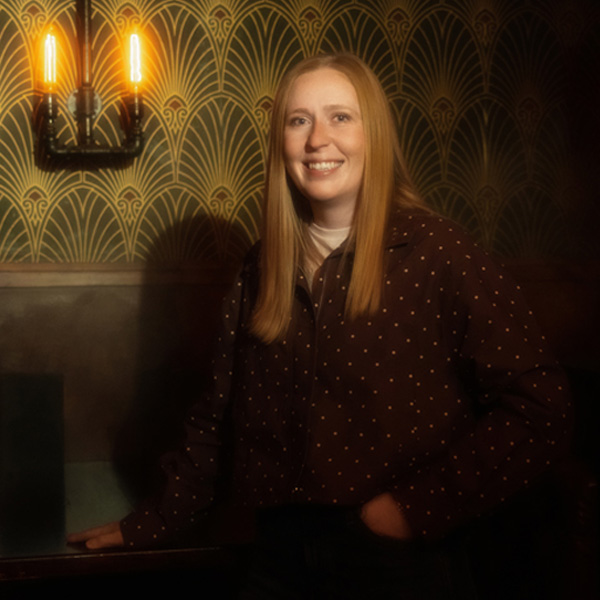

Amanda Wellendorf
Co-owner of Behavioral Dynamics
Age: 28
Location: Fort Collins
Tell us about yourself, your history and how you came to be where you are now.
Six years ago I moved to Fort Collins, and that was the best thing that ever happened to me. I grew up in Omaha, Neb., graduated from the University of Nebraska and pursued my master’s in applied behavior analysis while building a life here from scratch. I earned my board certification, spent years doing front-line clinical work and co-founded Behavioral Dynamics in 2024 at 25 years old. I have a full life, a practice I am proud of and a house I renovated myself in the sweetest community.
Explain your career, achievements and professional highlights.
I am a board-certified behavior analyst and co-owner of Behavioral Dynamics, the practice Rosie Weigel and I built to serve individuals and families across Northern Colorado. Applied behavior analysis is the science of why we do the things we do and how we can change the patterns standing between us and the life we want to live. It isn’t just for children; it works across ages, diagnoses and circumstances. At Behavioral Dynamics, we accept Medicaid and take many cases other practices decide are too complex.
In what ways do you give back to the community?
Community work and clinical work have never felt separate to me. Every family we welcome into our practice represents an investment in the kind of community I want to help build. I have sat with parents who were overwhelmed and unsure where to turn. I have supported caregivers in advocating for their loved ones in everyday environments where inclusion should already exist. I have spent years helping people participate in the community in meaningful ways because belonging should never have to be earned.
What do you consider your biggest accomplishment or challenge you’ve overcome, either professionally or personally?
My biggest accomplishment is the people around me: my neighbors, my church community, my clients and their families, my team and my friends. I look at the life I get to have and am overwhelmed by the quality of the people in it. On my birthday this year, I decided last minute to have people over. Eighty-one people showed up. I am grateful for every single one of them.
Where do you see yourself in five years? In 10 years?
In five years, I hope Behavioral Dynamics has built a team of clinicians who feel supported and proud of their work. I want the waitlist to be shorter and for more families to leave us with tools and hope they did not arrive with. In 10 years, I hope my life looks a lot like it does now: still connected to the people I love most, and still able to find joy in all the spaces of life that are unwritten.
What piece(s) of advice would you give to your younger self?
It’s courage and fear together, not one instead of the other. You don’t get to wait until you’re no longer scared before you start building the life you want. When I was younger, I thought courageous people felt certain before they took risks. What I know now is that courage is just choosing to move forward while fear sits beside you. Moving here, starting a business, buying a house. All terrifying and all worth it.
Tell us something unique about you.
Flowers are my favorite thing, and I keep fresh ones in my house without exception. They remind me to pay attention to my life while it’s happening. Flowers don’t wait until you’re less busy; they bloom anyway. If you’re moving too fast, you can miss them, even when they’re sitting right in front of you. Buying flowers has become my small way of reminding myself to notice things while they are still here.
What drew you to the field of behavioral analysis?
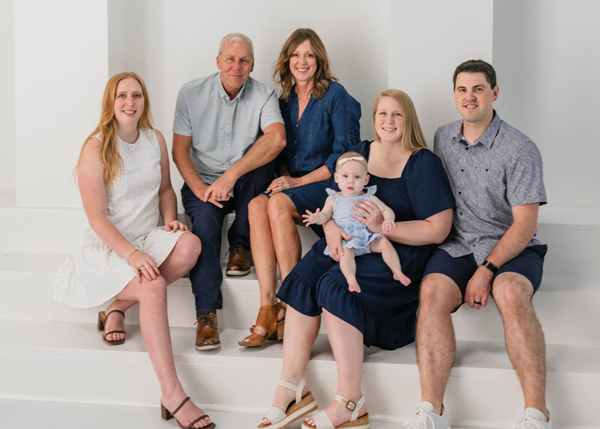
I owe this career to my sister, Brooke. She became a behavioral analyst before me and, without knowing it, pointed me toward exactly where I belonged. Behavior analysis looks at why people do what they do and builds practical, measurable strategies to create real change. What I love most is that it’s already happening all around us in how we build habits, encourage the people we love and structure our days. Every behavior tells a story worth understanding. I’m so grateful Brooke drew me in.
What do you admire most about the demographic you serve?
Many of the families we serve came to us after being told no somewhere else. They arrived exhausted and guarded, having fought for years just to be understood. The resilience it takes to keep showing up after disappointment and keep advocating for someone you love even when you are running on empty is something I don’t think enough people recognize or celebrate. They are the reason Behavioral Dynamics exists. They are the people I admire most. We just get the privilege of walking alongside them.
Why is it important to you not to deny challenging cases?
Every person we work with, child or adult, deserves a provider who is willing to meet them where they are, not just take the cases that are easiest to show results for. The behavior analysis code calls us to work within our scope of competence and make decisions based on client welfare, not what’s convenient. If we’re equipped to help, we’re ethically obligated to. That’s the standard I built this practice around. We don’t ask if a case is simple; we ask if we’re the right fit, and if we are, we take it on.