
Even with his cool last name, Mike Baron’s byline isn’t as well known as the comics he helped create.
Admittedly, those are impossible standards, given that he wrote the first issues of one of Marvel Comics’ greatest assets, “The Punisher,” which came out in 1987. Nearly 40 years later, The Punisher is hotter than ever. The latest example is his role Spider-Man’s sidekick in “Brand New Day,” a movie that pulled in $2 billion worldwide in less than a month when it came out this summer.
Yet when Baron recently and reluctantly left his Fort Collins home to attend this year’s famed Comic-Con in San Diego, few knew who he was. They didn’t recognize him for his work on “The Punisher” or the fact that, in the same year, 1987, he helped reinvent The Flash, a DC Comics character. He also wrote for several “Star Wars” titles as well as “Deadman.” In 1988, he won an Inkpot award, which essentially honored him as a legend in the industry.
If all that wasn’t enough, he created and wrote “Nexus” with illustrator Steve Rude, a series that won Baron two Eisner Awards, the comic book equivalent of the Oscars. Newsarama, one of the first online news sources about the comics industry, called “Nexus” “the greatest superhero comic of all time.”
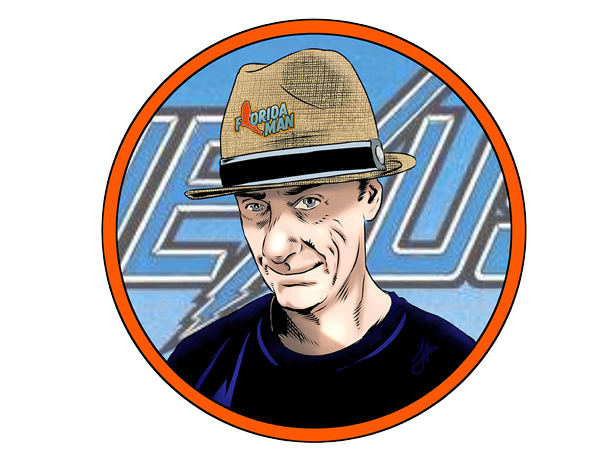
Mike Baron
Baron deserves more, says Chris Braly, owner of BIG Studios, which has published much of Baron’s recent work. Some would point out that’s what you’d expect Braly to say, given that he has collaborated with Baron on several crowd-funded comics. But Braly collaborated with Baron because he was a fan, not because he saw Baron as a gold mine. Baron, Braly says, has a unique combination as a comic creator: He created successful, independent characters such as Nexus and helped define major corporate legacy characters such as The Punisher.
“Some creators do great work on corporate comics but never break out with something creator owned,” Braly says, “and others do great on a creator-owned property but never manage to work for the bigger publishers. I would venture that he is considerably more important to the history of modern comics than his level of name recognition might suggest.”
Baron is proud of his work. He also blames no one but himself for his lean years.
“I made some bad decisions,” he says.
Baron says he was offered a six-year contract with DC Comics during his creative peak, which probably could have set him up for life. Instead, he wanted to pursue his own ideas. When those ideas didn’t pan out, less than a decade after his run on “The Punisher,” he couldn’t find work. He did whatever he could do to make money. He worked as a janitor. He packed mouse pads for a shipping company. But working those jobs didn’t hurt his pride.
“I didn’t think about it,” Baron says. “A man’s gotta do what a man’s gotta do.”
That period of his life makes him appreciate his time now. At 77, he’s busier than ever.
“I’m so happy to be working again,” he says. “It’s a joy.”
A chance meeting
Baron wanted to be a writer since he was a teenager, when he read John MacDonald’s Travis McGee novels. He found his niche when he fell in love with the “Uncle Scrooge” comics by Carl Barks, which are considered classics by today’s comic book experts.
“I was so entranced,” Baron says.
He fooled around a bit with comics, even teaching himself how to draw, and wrote about music for local newspapers until he met Steve Rude, a comic artist. The two loved coming up with ideas together, including one about an encyclopedia salesman they pitched to Capital Comics. The company turned that idea down but gave Baron an opening. They told him they wanted a costumed superhero.
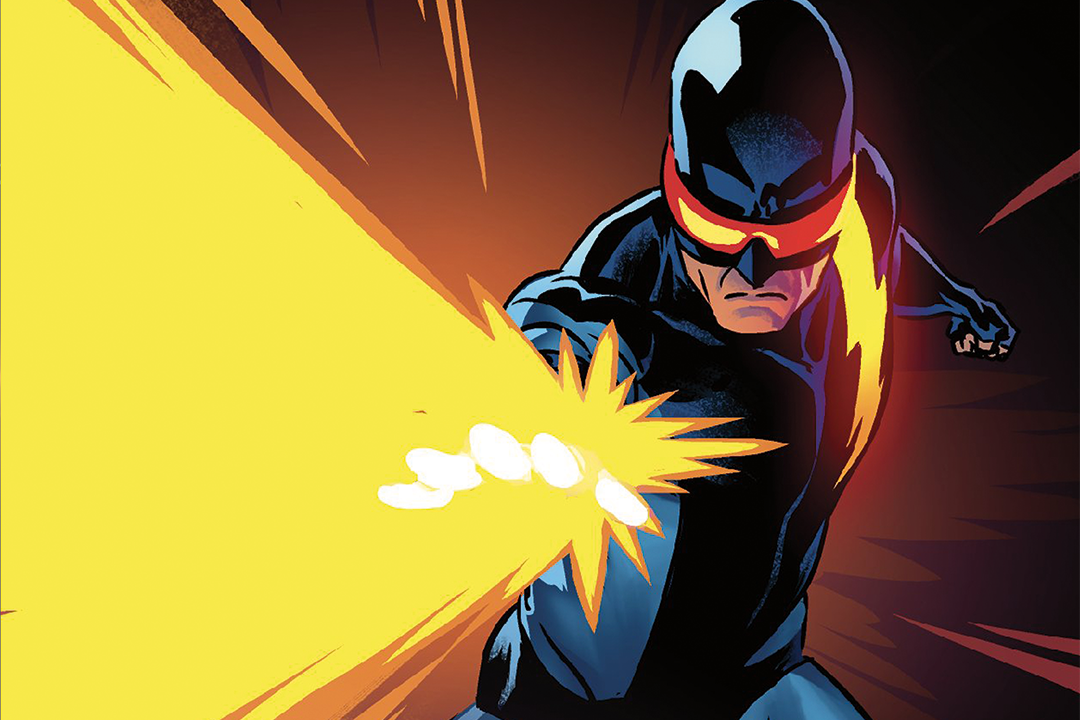
Over a drink in 1981, Baron sketched out the idea for Nexus to Rude. The reluctant hero, Horatio Hellpop, hunts down serial killers who haunt his dreams that come from an insane alien. Capital signed on right away.
Hellpop doesn’t have a choice but to be a vigilante: The dreams eventually drive him mad if he ignores them. This was, in large part, the path of The Punisher as well, a character who becomes an unsparing vigilante after his family’s murder drives him to seek revenge.
“[The Punisher] was a nuts-and-bolts guy, a classic vigilante, like Dirty Harry or The Equalizer, and a realistic guy with problems but a sense of humor too,” Baron says.
Baron met the head of Marvel Comics a few years ago and pitched ideas for The Punisher, but he says he was ignored. He doesn’t like the plots of The Punisher comics in the decades that followed his five-year, 65-issue run with the character.
“They now treat him as a joke or just a killing machine,” Baron says, “but I loved my time with him.”
“Nexus” made it all possible, he says, opening the doors to work with “The Punisher,” The Flash, “Deadman,” “Star Wars” and others. It saved him from a job selling insurance, which he hated. He’s as proud of his work with “Nexus” as his extended history with some of the most well-known comic book characters in history.
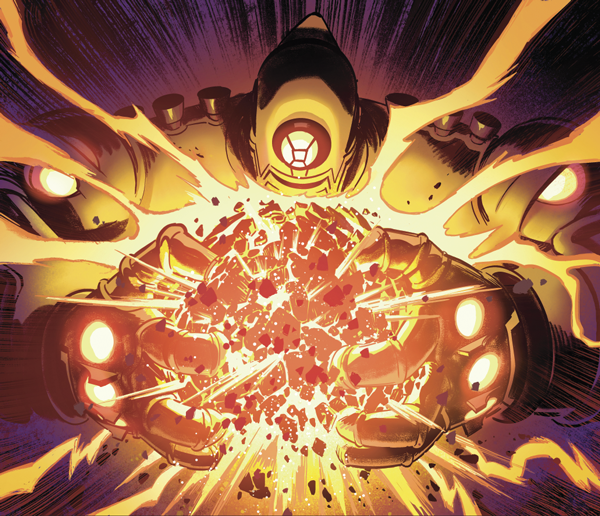
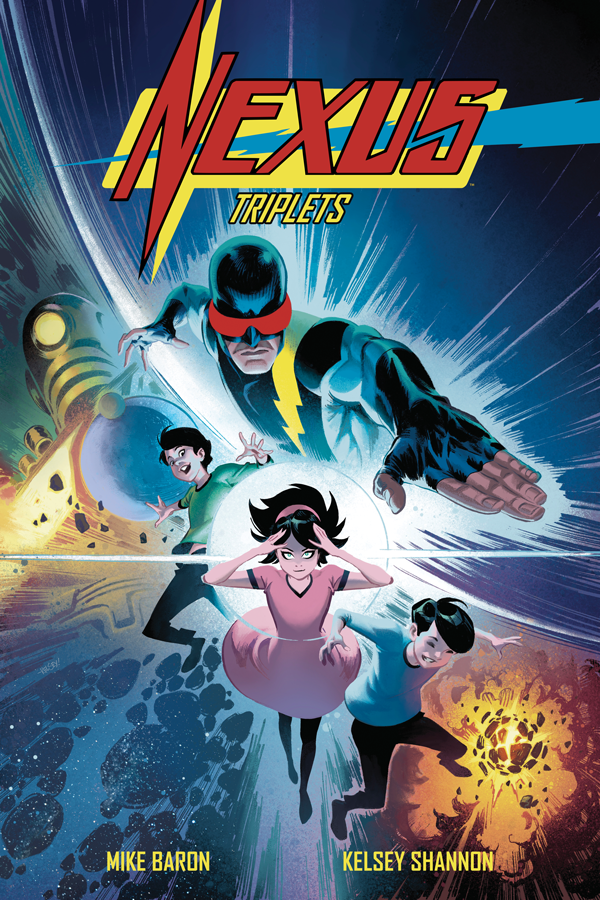
Artwork from Baron’s comic, “Nexus Triplets.” Illustrations by Kelsey Shannon.
A stint as a novelist
Baron found his way back to the industry after a decade of working odd jobs by writing fiction novels, not comics. He took the advice of a friend who told him to write a novel that could be made into a cheap horror movie. His first, in 2014, was called “Biker” and followed a reformed bike gangster named Josh Pratt who eventually became the subject of an eight-book series. Among the 15 novels Baron has published are titles such as “Helmet Head” and “Whack Job,” along with “Banshees,” a book about a satanic metal band resurrected 40 years after dying in a plane crash.
“I can tell now, when I write, if my stuff is any good,” Baron says. “Once you understand the story, you don’t make a wrong turn. You just get a sense of where it should go.”
Not everyone is a fan, of course, including his wife of 16 years, Ann. When they met on a dating site, Baron told her he was a graphic book writer.
“I thought he wrote porn,” Ann says with a laugh.
She admits she doesn’t understand much of his work but still calls him a creative genius. He wrote “Disco,” a book about a boy and his dog, mainly for her. She did like that one.
Baron’s latest work has drawn some ire beyond Ann’s good-natured jabs. This was especially true of “Private American,” which features a Cuban-American who wages a vigilante war against drug cartels along the U.S.-Mexico border. He modeled the character after The Punisher, even suggesting that, in Baron’s mind, this is who The Punisher would be today. Critics thought it was offensive, even racist, and the funding platform Kickstarter suspended it. It became a national story after Fox News interviewed him.
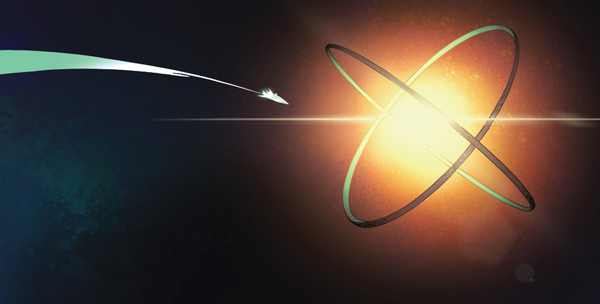
Artwork from Baron’s comic, “Nexus Triplets.” Illustrations by Kelsey Shannon.
Baron, for the most part, welcomes the controversy.
“That backlash helped us,” he says. “People don’t like cancel culture.”
He admits the comic had some political leanings, but so does most of his work, including “Nexus.” He majored in political science in college, but politics is secondary in his work, he says.
“My main job is to entertain,” he says.
His other recent works include the adult comic, “Florida Man,” and more “Nexus” titles. Even with the “Private American” controversy, crowdfunding has worked for Baron. He and Braly have crowdfunded 10 comic books that have grossed more than $500,000 in crowdfunding alone and have sold well.
Today, Baron is secure with his place in the comic book business. He is enough of a name that the recognition has made it possible for him to keep working in the fickle industry that made him famous, then destitute, and now happy.
“I think, in a way, I’ve had a resurgence,” Baron says. “The work I’m putting out now reminds people of the work I once did.”