
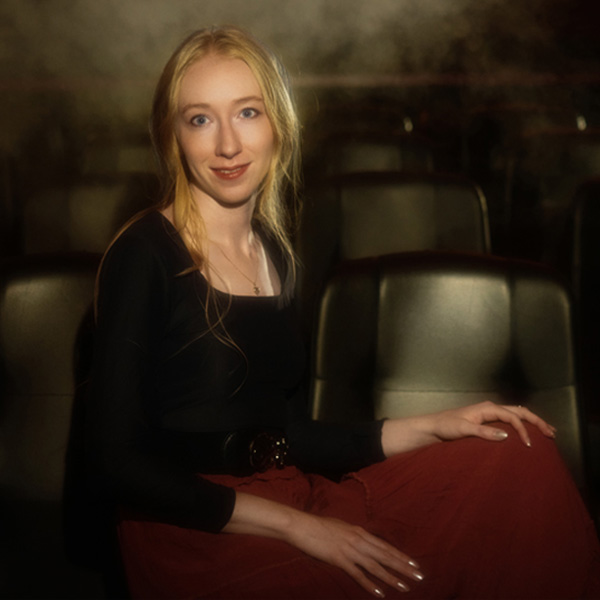


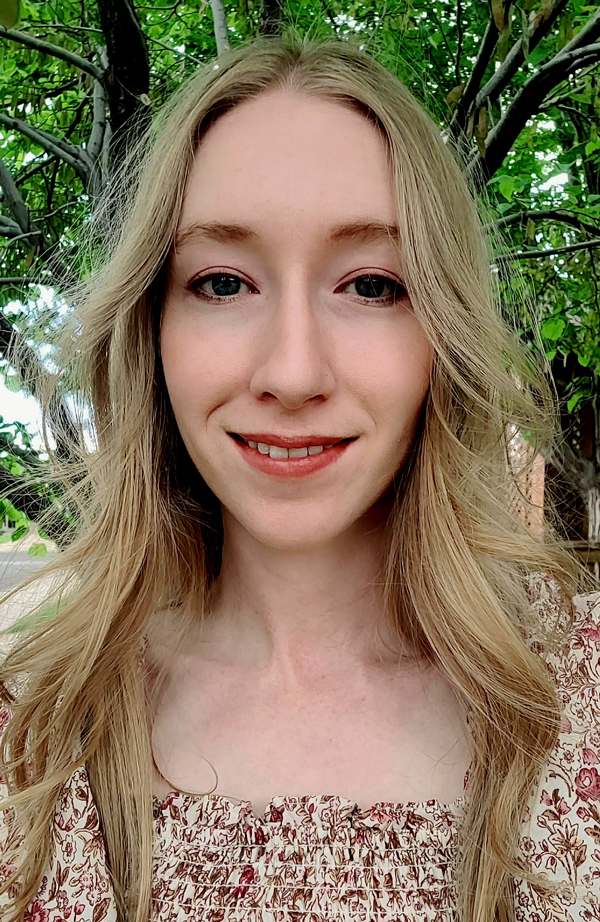
Jessica Rosenquist
Lead developer at Hewlett Packard Enterprise
Age: 27
Location: Loveland
Tell us about yourself, your history and how you came to be where you are now.
My interest in computers began early with video games like “Myst” and “The Elder Scrolls IV: Oblivion.” These, along with my passion for reading books, sparked my lifelong love of mysteries and logic puzzles. When I started coding in high school, its limitless problem-solving captivated me, and I decided to pursue a degree in computer science at CSU. Nowadays, I combine problem-solving with empathy to build accessible software, tearing down digital barriers so that everyone can participate equally.
Explain your career, achievements and professional highlights.
I specialize in user experience and digital accessibility. This means building software that actually works for everyone and creating seamless experiences for users with visual, mobility or situational disabilities. As a lead developer at Hewlett Packard Enterprise, I manage a large, open-source project called Grommet, which gets around 30,000 weekly downloads. Open-source means the software is free and built collaboratively by a global community. Grommet gives other developers the digital building blocks to create websites that are beautiful and easy to use.
In what ways do you give back to the community?
I frequently volunteer as a way to stay connected and play an active role in my community. Recently I coached climate tech founders on pitch presentations as part of a pro bono program at LabStart. I also helped put on HPE’s CodeWars event for local high school students to meet up and solve programming challenges. In addition, I helped teach a high school robotics team how to use version control systems to streamline their code collaboration.
What do you consider your biggest accomplishment or challenge you’ve overcome, either professionally or personally?
My greatest achievement is patenting an industry-first, accessible multi-selection UI component, which enables the user to quickly scan and make choices from a list of options. I coded the component, performed manual testing and collaborated with a blind colleague using a screen reader to pioneer an accessible experience where no other solutions existed. A challenge I’ve faced is trusting that there is value in my unique perspective and voice.
Where do you see yourself in five years? In 10 years?
Tech evolves rapidly, making the future hard to predict. I focus on being adaptable, and I try to lean into curiosity instead of fear of change. I tend to gravitate toward places where technology, advocacy and public impact intersect. While the day to day may change over the years, I think these themes will stay.
What piece(s) of advice would you give to your younger self?
We have more control and agency over our lives than we often realize or give ourselves credit for. Continue to make changes and try different things until you end up where you want to be.
Tell us something unique about you.
I love scrapbooking as a way to preserve my favorite memories and tap into my creative side. It allows me to blend photography, art and collected mementos, like stickers and concert tickets, into a curated page that I can look back on.
In your opinion, what are the main challenges facing your industry?
The reality is that tech is a tough industry to be in at the moment. The threat of layoffs and AI automation looms over us. There is a lot of fear and job insecurity. Unemployment rates are high, and enrollment in computer science programs is declining. Yet tech remains our greatest vehicle for tackling the world’s hardest problems. Those problems aren’t disappearing, and we need the right people—people who care about security, privacy, ethics, sustainability, equity and accessibility—to help solve them.
Why is it important to you to encourage kids to get into STEM?
I hope to show kids from historically underrepresented groups in STEM that they belong. Feeling like I belonged was something I struggled with, particularly in college. I often felt like an outsider in my computer science classes, and I questioned whether I was on the right path. I want the next generation to know that their voices matter and they get to play a part in shaping the future that they want to see, whether that’s in technology, broader STEM fields or something else.