


Every May, eager gardeners flood the nurseries in hopes of securing veggie starts, seeds and supplies to nurture their green thumbs. But not all vegetables have the same planting schedule.
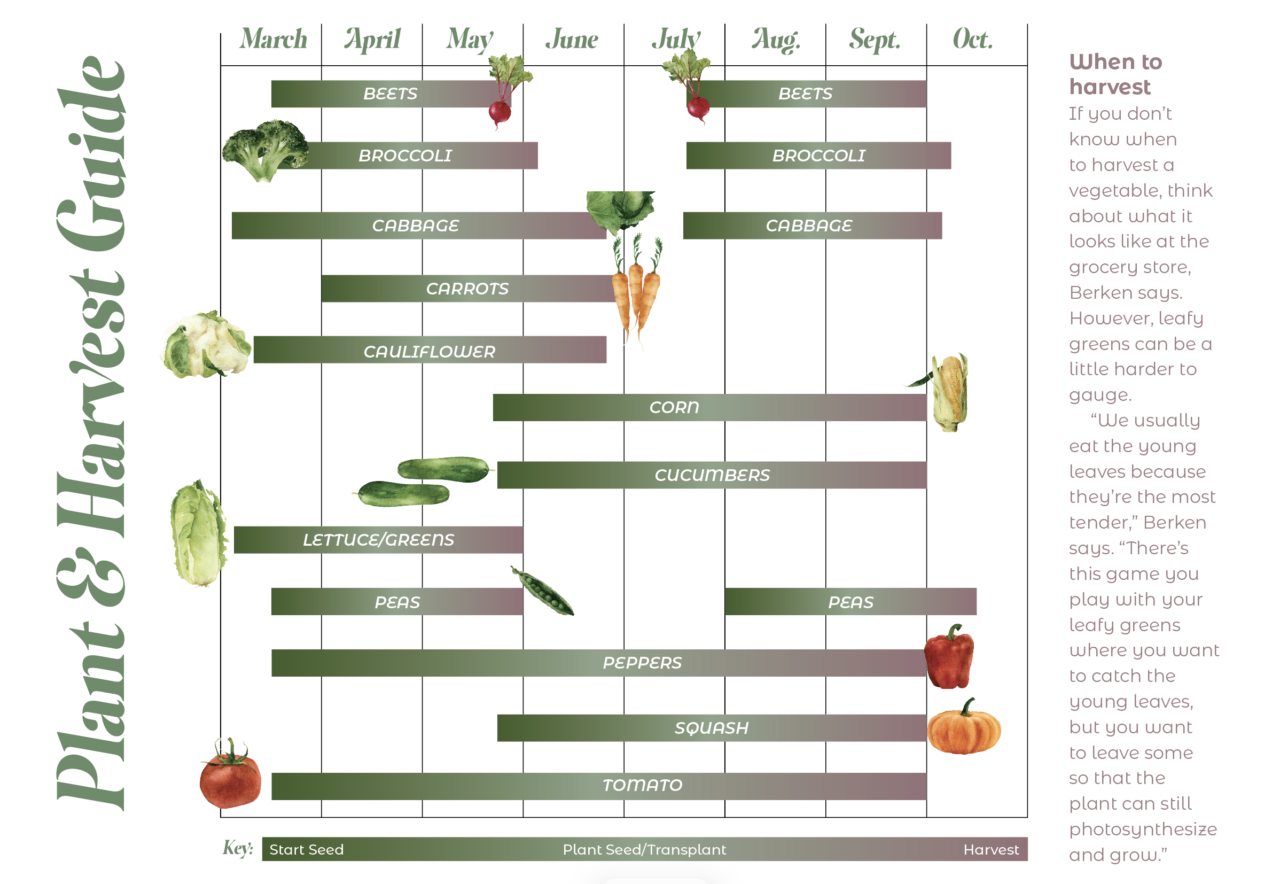
In fact, many prefer the cool weather of spring and fall over the dog days of summer. Use this guide to determine when to plant certain vegetables to maximize this year’s harvest.
Warm-season crops
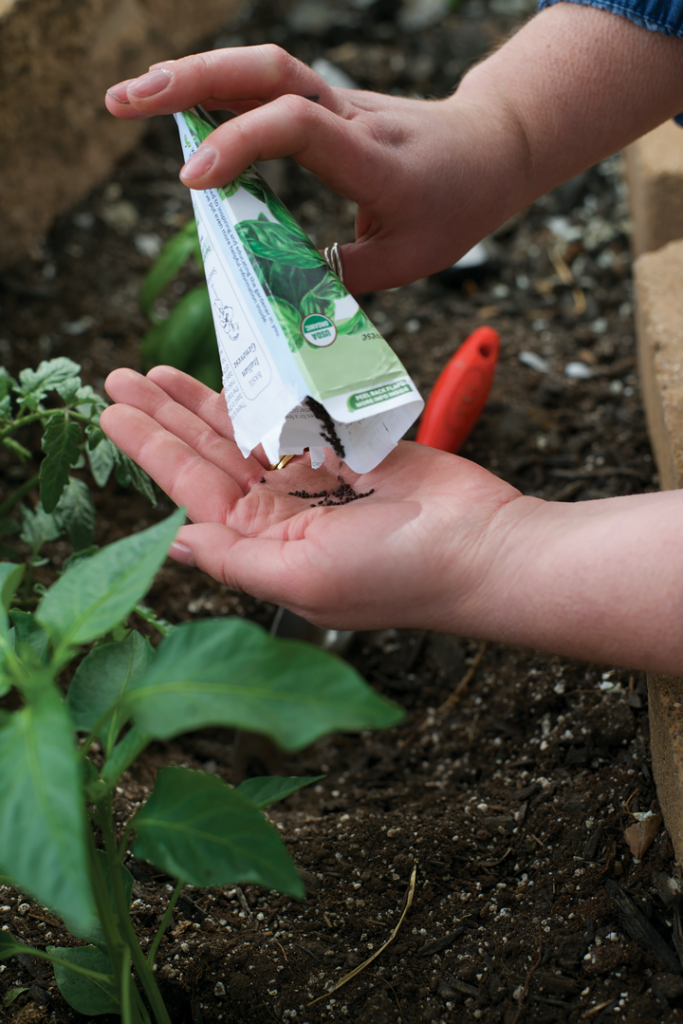
Once the last frost has passed—usually around Mother’s Day—it’s safe to plant tomatoes, peppers, cucumbers, herbs and other heat-loving plants. While some of those can be planted as seeds, experts say starter plants are often more advantageous in our short growing season.
“You’re better off to buy tomato plants and pepper plants because they take a long time to germinate and get big,” says Jim Roberts, owner of Plantorium Greenhouse near Laporte.
If you want to start those plants from seed next year, you’ll need to plant them in small pots near a sunny window or under grow lights indoors. The time to do that is in February or March, then you can transplant them outside once the last frost has passed.
When buying veggie plants, the size you should get depends on how much effort you’re willing to put into them, says Jacob Berken, manager at Gulley Greenhouse in Fort Collins. Smaller starts will need nutrient-dense soil and regular fertilizer applications to catch up to the size of the larger, more expensive plants.
“The soil itself isn’t simply a home for the plants; it’s also the all-you-can-eat buffet bar,” Berken says. “Depending on how well you stock that bar—the structure of the soil and stuff like that—you can really add a lot more nutrition and make it available.”
The name of the game is speed when growing warm-season vegetables, he says. For some plants, that’s easy.
Zucchini, cucumbers, pumpkins and other plants in the gourd family grow rapidly, regardless of whether they are planted as seeds or starts. In fact, planting them as starts only puts you ahead by a couple of weeks, Roberts says, as opposed to months for tomatoes. They also produce a lot of fruit, so he advises gardeners to go easy on the quantity.
“We put three seeds in each little pot we grow, so there are three plants in each one,” he says. “That’s enough zucchini to supply you and all your neighbors.”
Cool-season crops
Leafy greens, broccoli, carrots, beets and many other vegetables that grow best in cool temperatures have two growing seasons. If you missed the window for planting in March and April when temperatures generally range from 50 to 70 degrees, don’t fret. You can start many cool-weather crops again in the fall, Roberts says.
“Plant the seeds on the first of September, and you’ll get a crop in October or the first part of November, provided it doesn’t get really cold or we get a really bad storm,” he says. “You can’t plant [cool-season crops] in the summer here; they’ll get too hot and burn.”
What happens if you plant, say, spinach seeds in June? Not only are the leaves at risk of burning, but the heat will stress the plants out, causing them to produce flowers and become bitter (something plant experts call “bolting,” which happens before a plant produces seeds).
That’s not the end of the world, Berken says. It can actually help you plan for a later crop.
“Bolting is an awesome thing that happens because you can either collect those seeds for the fall crop, or you can just let them go, and they’ll pop up later in the season anyway.”
What about garlic?
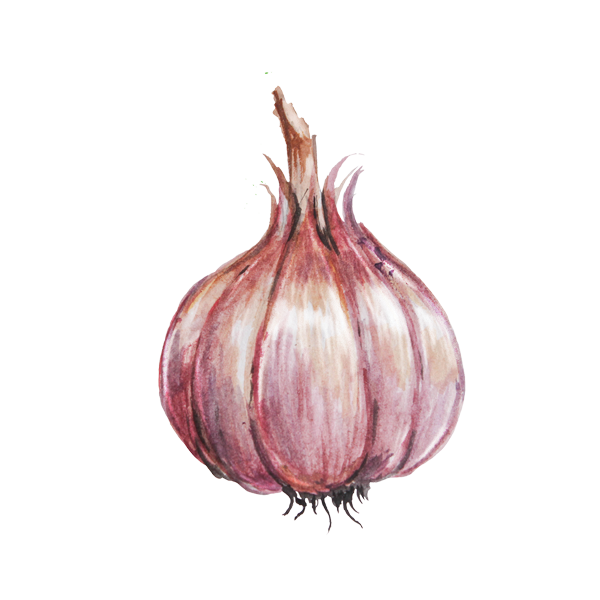
Garlic differs from other cool- season crops in that it prefers to be planted in the fall for an early summer harvest. There are two types of garlic—softneck and hardneck—Berken says, and the hardneck varieties are significantly more cold hardy.
Rather than planting entire garlic bulbs, only one or two dried cloves should go in each hole.
“We think of garlic as the bulb made of cloves because that’s how we see them in the grocery store,” Berken says, “but in actuality, garlic will form a small colony of itself. We generally recommend planting a couple of cloves together just to give them a little more root space for the plant to get itself going.”
Tomato Tips

Anyone who has grown tomatoes knows how finicky they can be. Here are some tips for success.
Bury the stem. An age-old trick to accelerate a tomato plant’s growth is planting it deep, Berken says. Rather than aligning the top of the root ball with the surface of the soil, you can remove the plant’s lower foliage, leaving only the top three or four leaves above the ground. The stem has tiny hairs on it that turn into what are called “adventitious roots” when submerged.
“You’re trying to get the biggest root zone so that you really get those plants moving and grooving and picking up steam faster,” Berken says.
Water less often. If the fruit on your tomato plant isn’t ripening, Roberts recommends letting it wilt in between waterings.
“The [final] thing a plant wants to do before it dies is reproduce, and when it gets dry, it thinks it might be approaching the end of its life cycle,” he says. “If you water your tomatoes all day every day all summer long, you’ll have green tomatoes clear to September.”
Add calcium to the soil. Have you ever gone to pick a ripe tomato, only to find that the bottom of the fruit is brown and squishy? That’s due to a calcium deficiency, Berken says.
“Tomatoes need good calcium in their soil,” he says. “Make sure to get that into your pot, or if you’re planting in the ground, dust the root zone and throw a little extra into the hole.”
Plant in part shade. Berken finds that his tomatoes grow best when planted in an area with full sun during the first half of the day and shade in the afternoon. The sun here is intense, given our high elevation and lack of humidity, causing many tomato plants to wilt even if they are well watered.
“What you’ll see when they’re baking in the full Colorado sun is they’ll start wilting midday,” Berken says. “That’s just a strategy they’re employing to protect themselves. As it gets into the later part of the day, they’ll perk right back up.”