

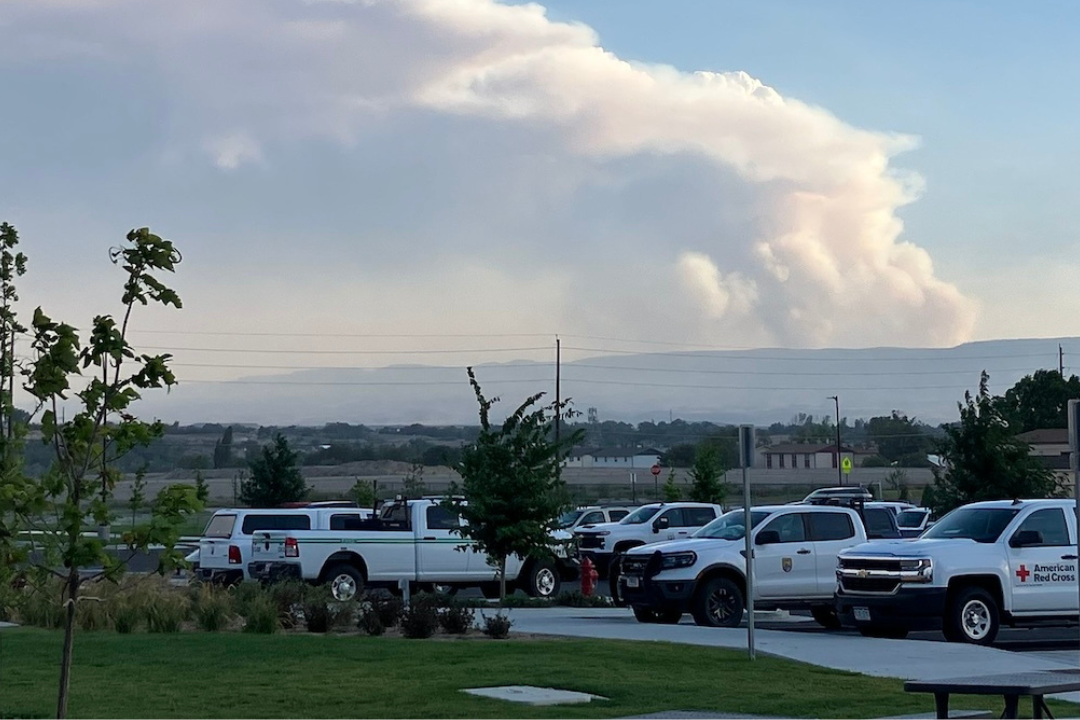
Wildfire risks remain high heading into summer, but heavy rainfall over burn scars could lead to secondary risks of flash flooding in areas previously affected by fire.
The American Red Cross of Northern Colorado is urging residents to take steps now to be prepared for increased wildfire risks this summer across the region, while also being mindful that rainfalls across burn scars may lead to flash flooding and debris flows.
“This year’s warm, dry winter has raised everyone’s attention to the possibility that we could have a significant wildfire season in Colorado and Wyoming,” says Melissa Venable, executive director of the Red Cross of Northern Colorado. “However, any rainfall this summer across new burn scars could also lead to a dangerous flood risk. A few simple steps today can make a big difference if conditions change quickly.”
- Harden your home and yard today, before wildfire risks increase. Clear leaves and dry debris from decks, gutters, patios and near propane grills. Move flammable items like doormats, outdoor furniture cushions and firewood away from your home.
- Have a go bag and a plan. Pack essentials you can grab in minutes: medications, important documents, chargers, water, sturdy shoes, pet supplies and a few days of basics. Set a meeting place and plan at least two ways out of your neighborhood.
- Stay alert and act early. Sign up for local emergency alerts, watch for changing conditions and evacuate immediately if told to do so. Do not wait to “see what happens” because wind-driven fires can move faster than expected.
Additional wildfire safety tips can be found on the Red Cross website.
In addition to wildfire risks, flash flooding caused by heavy rainfall on top of burn scars remains a danger across the state. According to the National Weather Service, burnt soil can be as water-repellant as pavement, decreasing the amount of rainfall required to cause flooding while also sweeping up debris and remaining ash. These flows can move faster than you can travel by car and can also cause road closures, as was seen on I-70 in Glenwood Canyon near the Grizzly Creek Fire burn scar.
If you live near a burn scar or in an area prone to flooding, follow these tips from the Red Cross and National Weather Service:
- Have multiple ways to receive emergency alerts and know the difference between a flash flood watch and warning:
- A flood/flash flood watch means a flood or flash flood is possible.
- A flood/flash flood warning means flooding or flash flooding is already occurring or will occur soon. Take immediate precautions.
- Be prepared to evacuate even without a warning from authorities, as a flash flood or debris flow may happen before a warning can be issued.
- Remember: Turn Around, Don’t Drown. Never walk, swim or drive through floodwater and never cross a road or bridge with water or debris flowing. Just six inches of fast-moving floodwater can knock you over and 12 inches can carry your vehicle away.
- Designate a place on higher ground that you can get to quickly. Plan to move to higher ground before flooding begins if you are in an area that is vulnerable to flash flooding or near a burn scar.
Additional flood safety tips can be found on the Red Cross website.
The Red Cross also encourages everyone to download the free Red Cross Emergency App to help monitor hazards and find safety information. You can find the Emergency App by searching “American Red Cross” in your app store or by visiting redcross.org/apps.