

When Caitlin Raaz’s son turned 2, she and her husband started searching for daycare options near their Windsor home—something she says felt like walking through a desert without shoes.
Most childcare centers had long waitlists, and among the few that didn’t, she and her husband weren’t comfortable with the programming. Raaz, a speech pathologist professor at the University of Northern Colorado, was looking for centers that didn’t use screens as a language teaching tool. But she kept coming up empty handed.
A shortage of licensed caregivers and facilities for infants, toddlers and other youngsters has long earned Colorado a reputation for being a childcare desert. In Larimer County, only about 16 percent of infants have access to a licensed childcare slot, while about 38 percent of toddlers ages 18 months to 36 months have access to a licensed space, according to the Colorado Department of Early Childhood’s licensed capacity map. In Weld County, those figures drop to a respective eight percent and 19 percent.
The shortage is driven by the high cost of childcare coupled with a workforce shortage, experts say. Families living in Larimer and Weld counties pay an average of about $1,200 and $1,400 per month per child, respectively, which amounts to as much as a quarter of the average household income, according to Colorado-based think tank Common Sense Institute. Funding cuts at the federal level have made safe, high-quality childcare slots even harder to find.
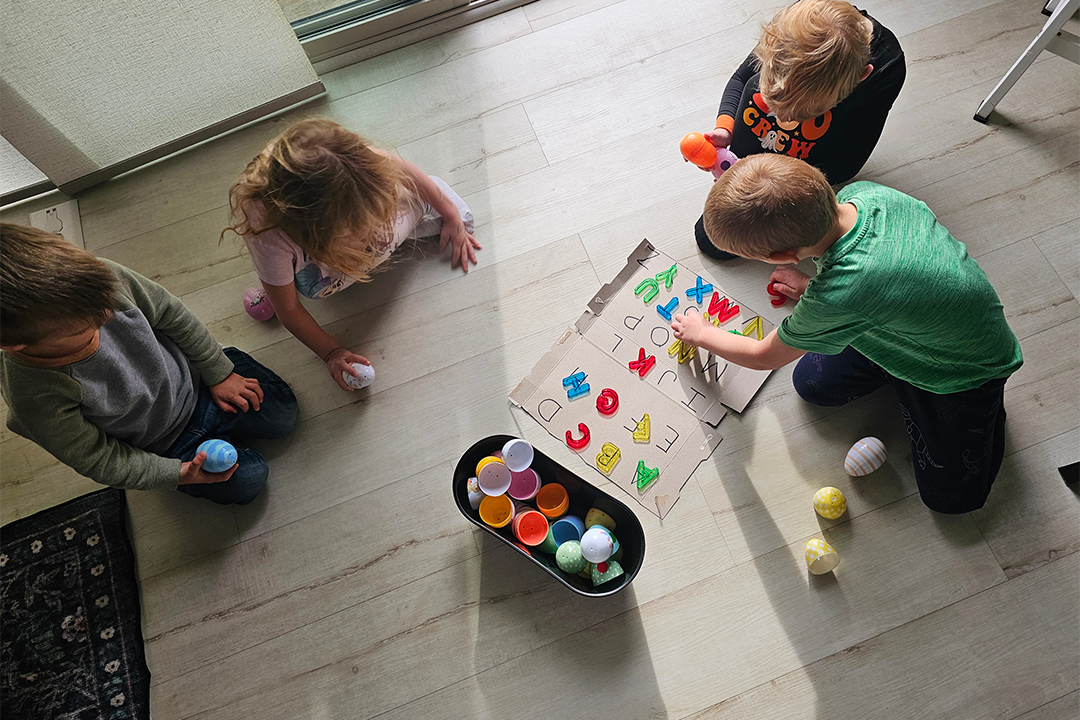
To deal with the shortage, Raaz and her husband realized they’d have to build something new—literally. Raaz’s husband, a home builder, dedicated the final lot of one of his projects to a home where an early childhood teacher now lives. During the day, the teacher runs an in-home daycare from the basement using a literacy-focused curriculum created by Raaz. The daycare, called the Tutela Institute, is licensed for 12 preschool-age kids, including the Raazes’ son, who is now 5, and their 2-year-old. The couple just had a baby who will also benefit in a few years’ time, Raaz says.
The Raazes’ solution to a lack of childcare might be a bit more than what other families are able or willing to do to solve the issue. But many are thinking creatively to piece together a solution that works for them.
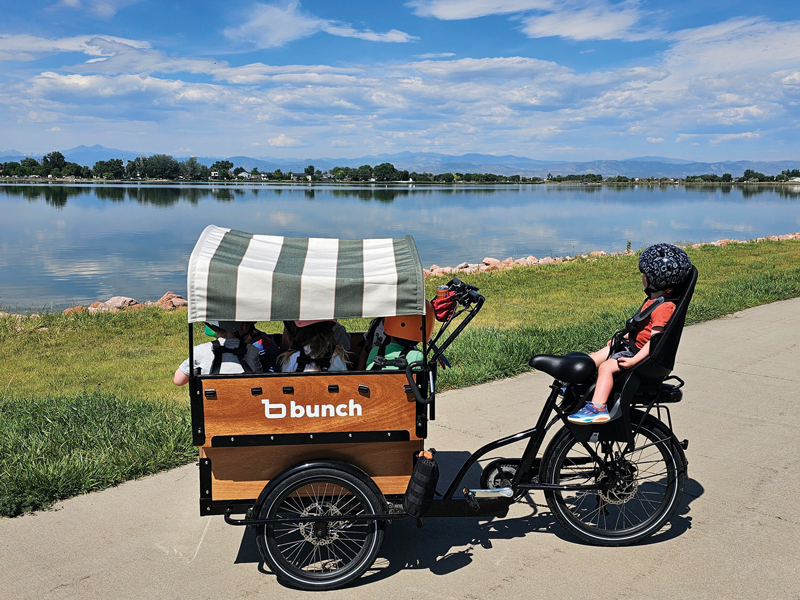
Tutela Institute
Family, friends and neighbors
In Colorado, parents or other caregivers can watch up to four children in their home—not including their own children—without getting a formal license. That option, which the state calls Family, Friend and Neighbor (FFN) Care, is growing rapidly, says Heather Blanco, chief program officer for Northern Colorado Kids Thrive, which was formerly the Early Childhood Council of Larimer County.
One of the biggest benefits of FFN is trust, Blanco says.
“Parents often feel more comfortable leaving their children with someone they know personally,” she says.
FFN can also offer more flexibility in scheduling and may be more affordable than traditional licensed care, Blanco says. FFN providers are not licensed or regulated by the state, so they set their own rates by negotiating with the families they work with, according to the Colorado Department of Early Childhood. Many FFN providers, especially relatives, don’t ask for compensation.
Still, becoming an FFN provider could offer some income for one parent seeking to become a full-time caretaker. Many aren’t aware of the Colorado Child Care Assistance Program (CCCAP), which pays providers on behalf of families that meet a low-income threshold. To receive those benefits, providers must get a background check and complete some county paperwork, according to the U.S. Administration for Children and Families. However, CCCAP payments vary a great deal because they are based on individual household income.
One last thing to take into consideration, Blanco says, is that FFN providers may not always have access to the same training, resources or structured learning environments compared to licensed early childhood programs.
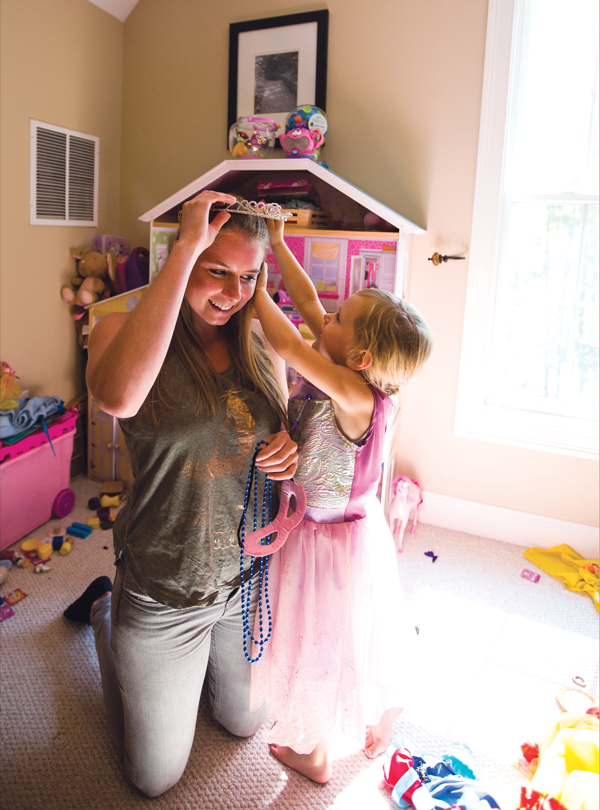
Cultural Care Au Pair
Au pairs
Families interested in a cultural exchange opportunity might consider hosting an au pair to help with their childcare needs. The federal au pair program, technically called the J-1 Au Pair Exchange Visitor Program, offers young people living outside the U.S. the chance to live with an American host family for one year or longer while providing live-in childcare.
The au pair program may be too expensive for some, says Benjamin Story, a former au pair and a Fort Collins-based coordinator with Cultural Care Au Pair, a national placement agency. The program cost and au pair’s compensation totals $1,800 per month, he says. Then again, that could be more affordable for families with multiple kids in full-time daycare.
There are other benefits to au pairs as well. Many families seek out a Spanish-speaking au pair who can help their kids learn Spanish as a second language. Families considering this route should first and foremost think about it as a cultural exchange experience, Story says.
“Families that are going in with that hope for themselves do much better than a family that’s just thinking about it purely from a useful or flexible childcare perspective,” he says.
Story says his own experience as an au pair was life changing. He thinks it can be just as valuable for host families.
“I had a working single mother who was a doctor, and she had a 3-year-old at the time,” he says. “For her, there was a real added benefit of just another adult in the home [with whom] to process things and decompress at the end of the day.”
Community arrangements
To help with infant care, Raaz and her husband found a nanny who could share her time with another family, caring for two kids at once. The arrangement reduced the hourly cost of care for each family from about $30 per hour to $15 per hour, she says.
Arrangements like her family’s nanny share often come about from connecting with other families who have kids of the same age, she says. Seeking out other parents on Facebook, at the park or during extracurricular activities offers the chance to trade ideas on the childcare shortage or participate in community care.
Raaz’s daycare also serves as a connection point for families. The house is closed on Fridays, so many of those parents work together to patchwork care for the kids, she says.
“One mom will take three or four of the kids for half the day or a full day, and then they’ll swap and another will do it the next Friday,” she says.

Laura’s Nature School
Alternative daycare programs
Laura Roush ran a daycare in Longmont that met all of the “gold standards” for judging preschools, which are outlined in Early Childhood Environment Rating Scale booklets. She ran it so well that she was named National Family Childcare Educator of the Year in 2016. But Roush says she didn’t believe those standards allowed kids to learn at their own pace. The curriculum often had activities planned down to 15-minute intervals.
“The transitions were insane, transferring constantly from one activity to another—activities that children may or may not be interested in,” she says.
After she started prioritizing outside learning and child-led learning, which offers instruction based on topics that kids show a natural curiosity for, Roush noticed an immediate change in kids’ behavior. They were less tense and even more patient with each other.
She now runs a small daycare out of her Fort Collins home called Laura’s Nature School, which has a more fluid schedule and leans into what the kids are interested in. An interest in the weekly garbage trucks stopping at the house has been a focus of activities for several months now, she says.
“Some of the most meaningful learning comes from following their own curiosity,” she says.