

The holidays may be the most wonderful time of the year for humans, but for our pets, the combination of tempting holiday foods, festive decorations, visiting guests and disrupted routines can make Thanksgiving, Hanukkah and Christmas surprisingly hazardous.
From a dog sneaking Thanksgiving leftovers to a cat climbing the Christmas tree (something 39 percent of cats have done, according to a Chewy survey), some of the biggest holiday pet hazards are hiding in plain sight.
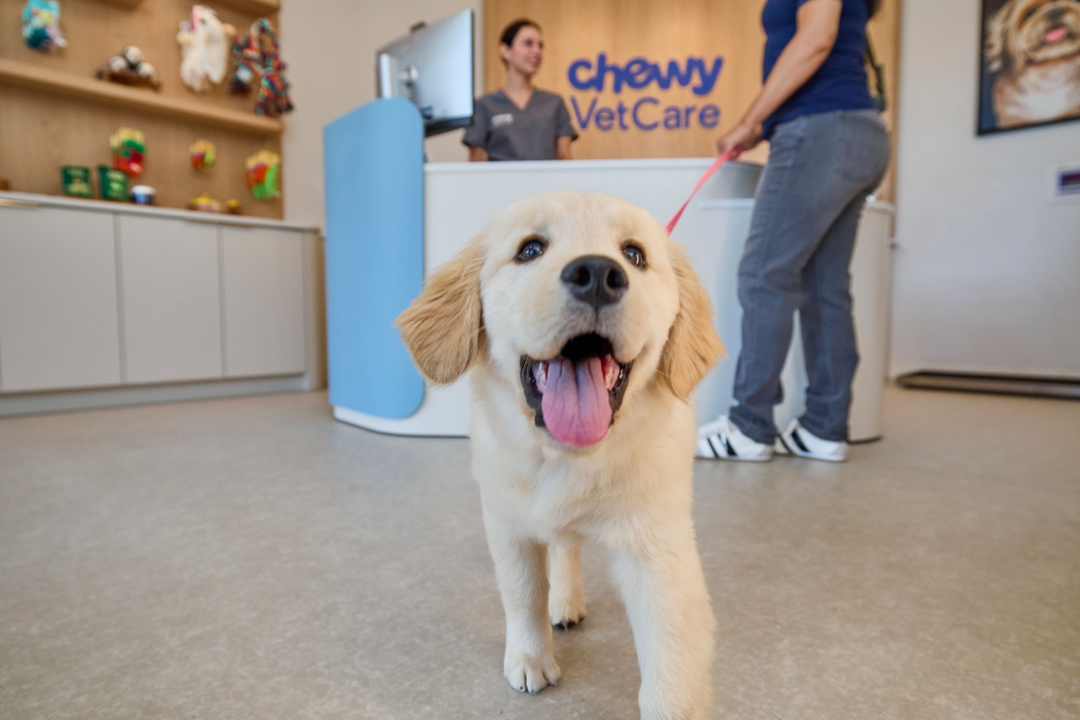
With the holiday season approaching, veterinarians at Chewy Vet Care, with local Northern Colorado practices in Fort Collins and Louisville, are sharing a holiday pet safety guide for local pet parents—including common dangers that are easy to overlook until something goes wrong.
Tips to keep pets safe this holiday season
1. Keep holiday feasts for humans. From Thanksgiving turkey skin and gravy to Hanukkah latkes and Christmas ham, rich, fatty foods can cause digestive upset or even pancreatitis in pets. Chocolate, sugar-free sweets containing xylitol, grapes, raisins, onions and garlic can be especially dangerous. Keep holiday treats, leftovers and trash securely out of reach, and remind guests not to sneak pets table scraps. If you want to share something special, offer a small amount of plain, unseasoned lean meat or pet-safe vegetables.
2. Deck the halls, but beware of dangerous decor. Christmas tinsel, ribbons, ornaments, wrapping paper and electrical cords can become choking, injury, or intestinal blockage hazards for curious pets. Hanukkah menorahs and holiday candles can also be knocked over by an enthusiastic tail or curious cat, so consider flameless alternatives where appropriate and keep open flames well out of reach. Be mindful of festive greenery, too: Poinsettias’ milky sap can cause minor mouth/stomach irritation, drooling or vomiting, and lilies (especially dangerous to cats, causing liver failure), holly, Jerusalem cherry, mistletoe and other seasonal plants can cause illness if ingested. Secure Christmas trees, and keep tree water inaccessible to pets.
3. Make the front door a pet-free zone. Holiday gatherings mean a steady stream of guests, deliveries and open doors, creating opportunities for pets to slip outside unnoticed. Even normally social pets can become overwhelmed by unfamiliar visitors and activity. Set up a quiet, comfortable space away from the festivities with their bed, water and favorite toys, and make sure ID tags and microchip information are up to date just in case.
4. Don’t assume your pet wants to join every celebration. From festive sweaters and holiday photos to crowded family gatherings, not every pet enjoys being part of the action. Watch for signs of stress, including hiding, pacing, excessive barking or attempts to escape. If dressing pets in holiday attire, make sure the clothing doesn’t restrict movement, breathing, hearing or vision, and avoid small accessories they could chew or swallow. Give pets the option to retreat from the festivities, and try to maintain their normal feeding, walking and sleeping routines.
5. Plan ahead for holiday travel and winter weather. Whether you’re driving to Thanksgiving dinner, visiting family for Hanukkah or traveling over Christmas, unfamiliar environments and disrupted routines can be stressful for pets. Use an appropriately sized, secure carrier or vehicle restraint, pack familiar food and supplies and plan regular breaks. For pets visiting colder climates, remember that fur isn’t always enough to protect against freezing temperatures. Limit outdoor exposure in extreme cold, protect paws from ice and deicing salts and wipe paws after walks to remove potentially harmful residue.
6. Know what to do before there’s a holiday emergency. If your pet gets into holiday sweets, swallows a decoration or suddenly starts acting unusually, don’t wait to see if the problem resolves on its own. Contact a veterinarian or pet poison control resource promptly. Before the holidays, check your veterinarian’s holiday hours, locate the nearest 24-hour emergency animal hospital and make sure necessary medications and vaccinations are up to date.
Seeking care when needed
Chewy Vet Care offers in-person and virtual care, with practices in Louisville as well as Fort Collins. See locations and operating hours below.
- Location: 2860 E. Harmony Road, Ste. 110, Fort Collins, CO 80528
- Hours: Open 8 a.m.-6 p.m. seven days per week
- Phone: 303.223.0535
- Location: 459 McCaslin Blvd., Ste. 6, Louisville, CO 80027
- Hours: Open 7:30 a.m.-6:30 p.m. Monday through Saturday; closed Sundays
- Phone: 303.381.1899
For Chewy Vet Care telemedicine consults 24/7, call 1.877.372.4399 or click here. The veterinarians at Chewy Vet Care wish all pet parents and their pets a safe and happy holiday season.